


Post Hair Transplant
PRP Therapy for Post-Hair Transplant: Accelerate Recovery and Boost Hair Growth
Enhance Your Hair Transplant Results with PRP Therapy
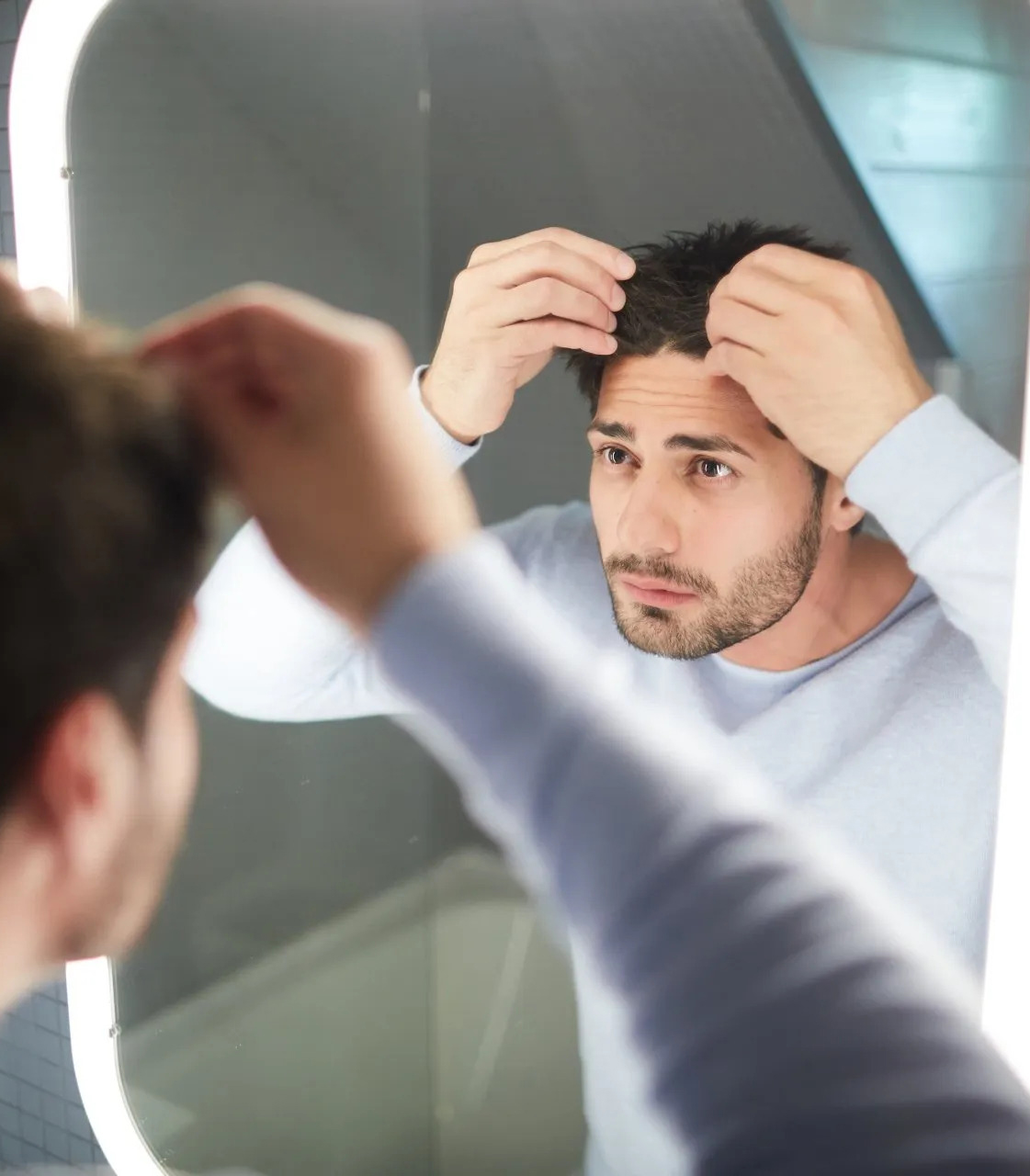
After investing in a hair transplant, optimizing the healing process and ensuring the best results is critical. PRP (Platelet-Rich Plasma) Therapy is a cutting-edge treatment that uses the healing power of your own blood to support and accelerate recovery following a hair transplant, while also stimulating natural hair regrowth. PRP is a proven method for helping transplanted hair follicles thrive, resulting in thicker, fuller hair.
What Is PRP Therapy and How Does It Work?
PRP Therapy involves drawing a small amount of your blood, processing it to concentrate the platelets, and then injecting the platelet-rich plasma into the scalp. Platelets contain growth factors that promote healing and tissue regeneration, making PRP an ideal complement to hair transplantation. The growth factors in PRP boost the body’s natural healing process and stimulate the growth of transplanted hair follicles, encouraging stronger, thicker hair growth.
Key Benefits of PRP Post-Hair Transplant:
- Enhanced Healing: PRP accelerates the recovery of both donor and recipient areas after surgery, reducing inflammation and promoting faster healing.
- Improved Hair Growth: The growth factors in PRP help stimulate transplanted hair follicles, encouraging more robust hair growth.
- Reduced Shedding: PRP therapy can reduce the risk of shock loss (temporary shedding) after a hair transplant, helping to preserve more of the newly implanted hair.
- Non-Invasive and Natural: PRP uses your own blood, minimizing the risk of adverse reactions or complications.
The PRP Therapy Process: Easy and Effective
PRP therapy is a simple, minimally invasive procedure that can be completed in less than an hour. Here’s what to expect:
- Blood Collection: A small amount of blood is drawn from your arm, similar to a routine blood test.
- Processing the PRP: The blood is placed in a centrifuge, which spins it to separate the platelet-rich plasma from the rest of the blood.
- Injection into the Scalp: The PRP is then carefully injected into the scalp in areas surrounding the transplanted hair follicles, as well as the donor area if necessary, to promote healing and growth.
PRP Timing for Post-Transplant Success
PRP therapy is most effective when started shortly after a hair transplant. A typical PRP schedule for post-hair transplant care might include:
- First PRP Session: 1-2 weeks post-transplant to accelerate healing and stimulate early hair growth.
- Follow-Up Sessions: Scheduled every 4-6 weeks for a series of 3-4 treatments, depending on your surgeon’s recommendation.
- Maintenance Treatments: Annual or biannual PRP sessions may be recommended to enhance the long-term health and vitality of transplanted and native hair.
Expected Results: Fuller, Healthier Hair
PRP Therapy helps transplanted hair follicles settle into the scalp and begin producing new hair faster. Most patients start to notice improvements in their hair growth within 3 to 6 months of starting PRP therapy. The treated areas typically show healthier, thicker hair growth with reduced shedding, leading to more natural and long-lasting results.
Feel Confident, Look Radiant
Take the Next Step

Mona

Ilona

Yana
Frequently Asked Questions About PRP Therapy for Post-Hair Transplant
Related Hair Treatments

Mona
Ilona